What a home warranty usually covers, and what it doesn't
Updated 4 min read
Homeowners Quiz is free because partners pay us. How partners work.
Key points
- Home warranties usually cover parts of home systems and certain appliances, and some cover extras for an added fee.
- Every contract has exclusions and limits, and they matter as much as the list of what's covered.
- Reading the contract before you buy is the surest way to know what you're getting.
Many people buy a home warranty to help with the cost of repairs to their home's appliances and systems. But contracts differ. California's Department of Insurance notes that home warranty forms aren't standardized, and that the specific items covered are spelled out in each contract.1 So think of this as a map of what's common, not a promise of what any one plan includes.
What's usually covered
Home warranties generally cover two groups of things: parts of your home systems and certain appliances.1
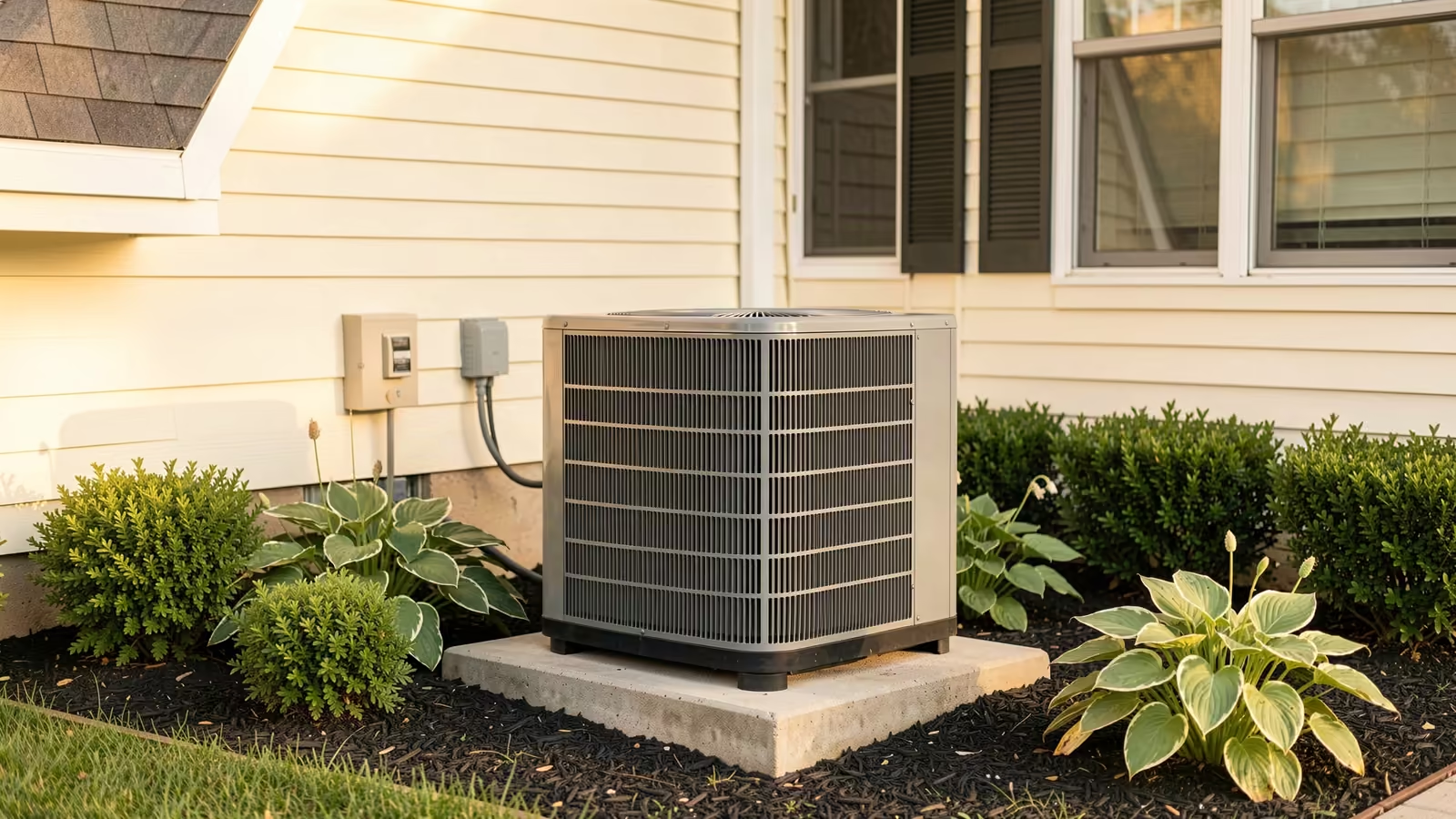
- Systems. Electrical, plumbing, heating, and cooling.2
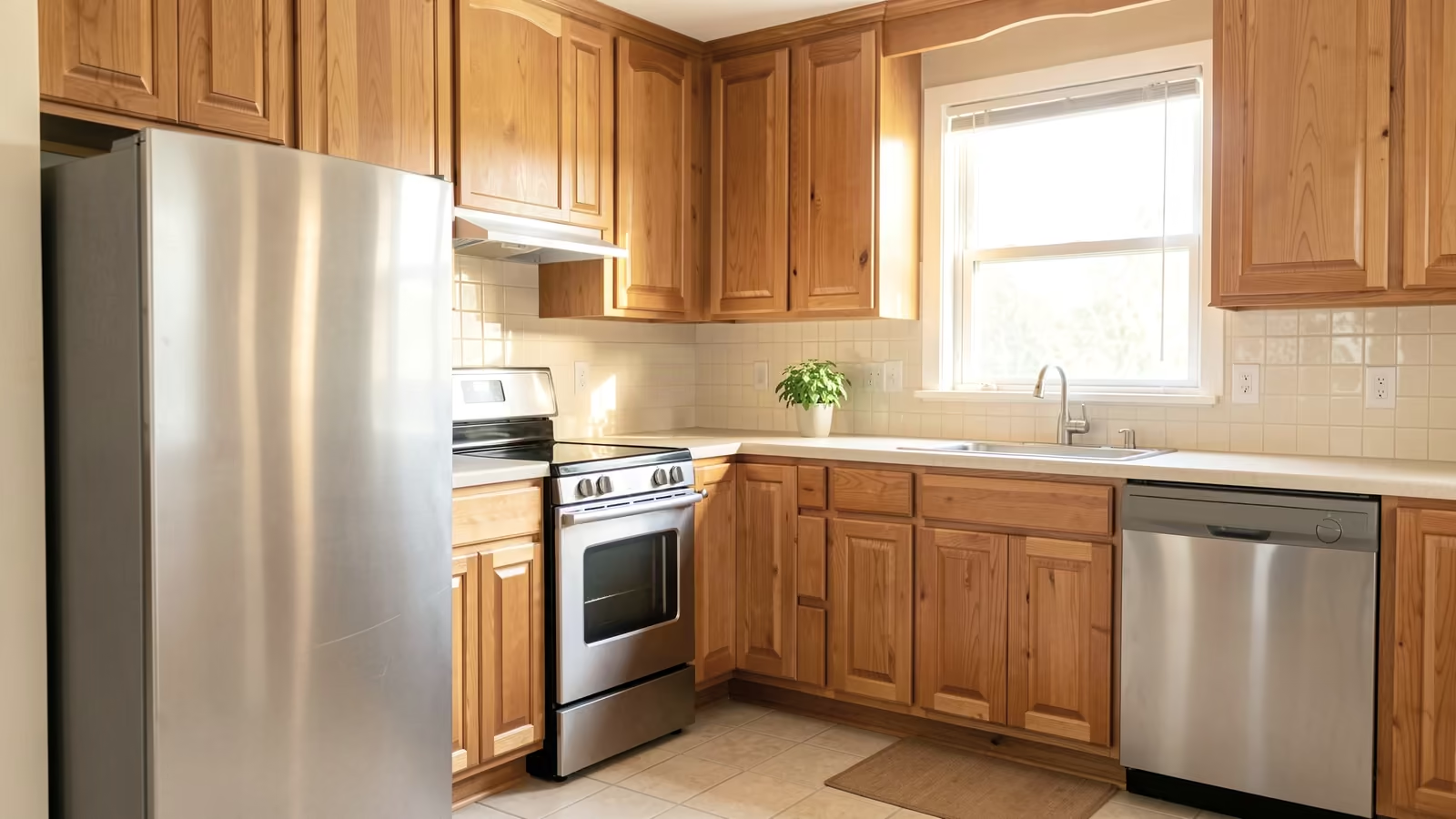
- Appliances. Washers, dryers, ovens, and refrigerators.1
- Add-ons. Some plans cover items like garbage disposals, ceiling fans, garage-door openers, water softeners, and built-in microwaves, sometimes for an extra fee.1
Texas regulators describe these contracts as paying to repair or replace covered items when the damage comes from a power surge, a defect in materials or workmanship, or normal wear.2
What's usually not covered
This is the part to read closely. California's Department of Insurance says all home warranties contain dozens of exclusions, and that many buyers only find them when a claim is denied.1
The District of Columbia's attorney general lists common gaps:3
- Structural defects, and bigger repairs like roofs, leaky windows, and chimneys
- Well pumps and septic tanks
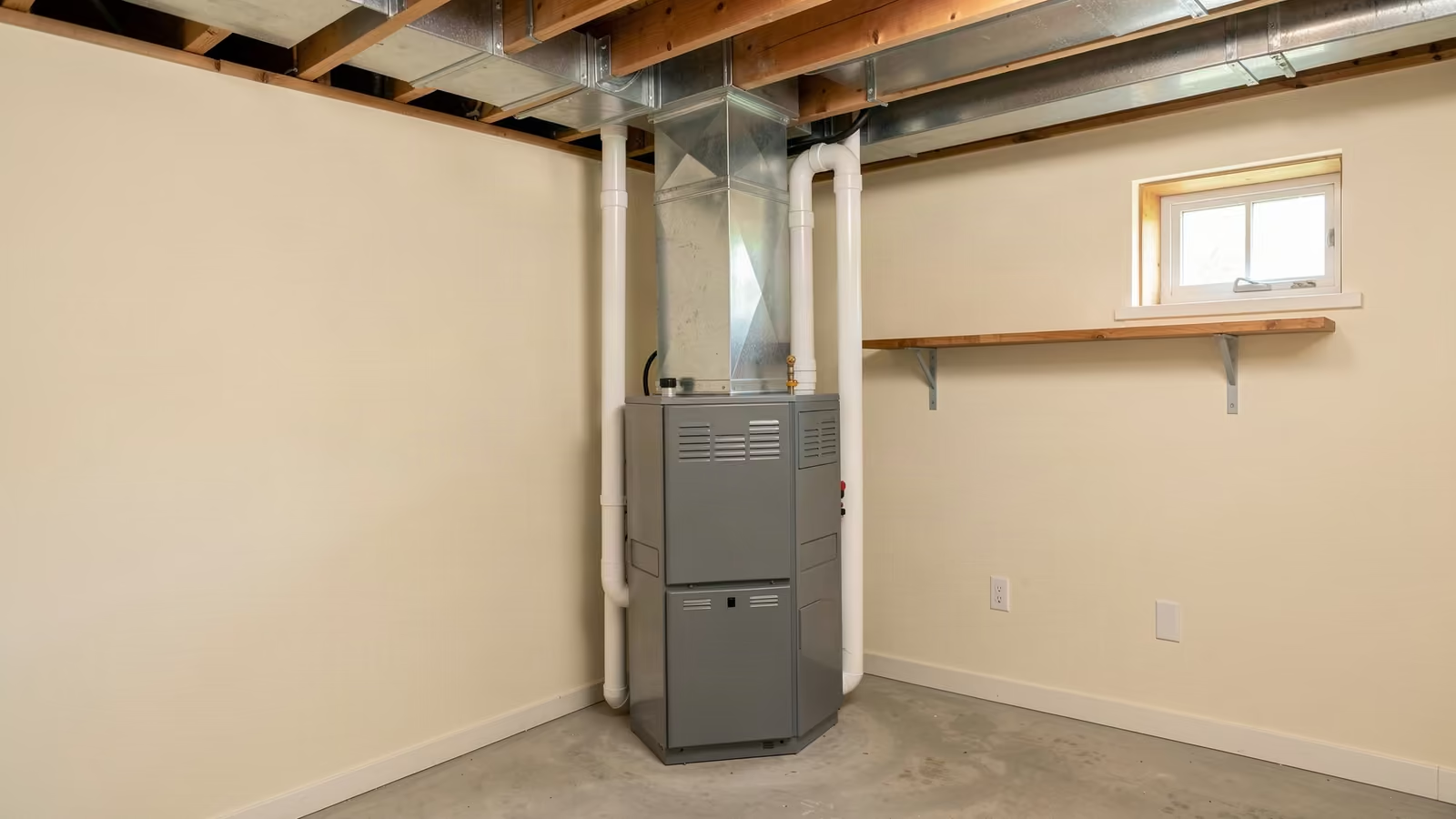
- Some big-ticket items, like water heaters or furnaces, on plans with limited coverage. Covering them often costs extra.
- Problems caused by natural disasters, or by skipping the manufacturer's recommended maintenance
Damage from some disasters falls to homeowners insurance instead. A standard policy pays to repair damage from fire, hail, lightning, and the other disasters it lists. It won't pay for routine wear and tear, floods, or earthquakes.4 Our guide on home warranties and homeowners insurance explains how the two differ.
Regulators don't all describe these contracts the same way. California's Department of Insurance says they cover wear and tear and defects that existed when you bought your home.1 Texas regulators, as noted above, include normal wear and defects in materials or workmanship.2 The D.C. attorney general warns that some contracts exclude wear and tear and manufacturer defects.3 That's why the exclusions in your own contract matter more than any general list.
Limits and fees to look for
Even when something is covered, the contract decides how much gets paid and how. The D.C. attorney general points to a few common terms:3
- Claim caps. A limit on how much the company pays for a repair or replacement.
- Service fees. Some companies charge a fee each time you need a repair.
- Repair first. Some contracts only repair rather than replace, and many limit replacements to certain brands.
- Assigned contractors. Many contracts don't let you choose your own contractor.
- Arbitration. Many contracts send disputes to arbitration instead of court.
The Federal Trade Commission offers a simple rule for any service contract: if something isn't listed, assume it's not covered. It also suggests asking whether the company can deny coverage when routine maintenance wasn't done.5
What California requires
California law requires home warranties to spell out what they cover, all exclusions and limitations, any service fees, and a statement that the company will start service within 48 hours after a request.1
Deciding if it's a good fit
Whether a warranty makes sense depends on your home and what's in it. A few ideas from consumer regulators:
- Check what's already covered by a manufacturer's warranty, a builder's warranty, or your credit card.3
- Compare the age of each covered item with how long that kind of item usually lasts. Our guide on how long heating and AC last covers the biggest ones.3
- Skip coverage you don't need. A plan that covers a pool generally costs more, and it only makes sense if you have one.1
- Consider the alternative. The FTC notes that setting money aside in savings is another way to plan for repairs.5
Plan for the repairs insurance skips.
Homeowners insurance usually doesn't pay when things wear out. A home warranty is a service contract for those repairs. Plans differ in what they cover, their limits, and their service fees, so read the contract before you buy.
 Compare warranty plans
Questions to ask before you buy
Texas regulators suggest these questions when you compare plans:2
- How much will the plan cost, and how long does it last?
- What specific items does it cover?
- Is there a limit to how much the company will pay?
- Is there a fee for service calls?
- Would a pre-existing condition void coverage?
- Who decides which company makes repairs, and how fast will they be made?
- Will the plan replace an item that can't be repaired?
In some states, you can also check whether a company is licensed. In California, the Department of Insurance licenses home warranty companies and posts complaint information online.1 In Texas, the Texas Department of Licensing and Regulation licenses them.2 This guide is general information, not insurance or legal advice. Contracts vary, so read yours closely.
Sources
- California Department of Insurance. Home Protection Contracts (opens in a new tab). Accessed .
- Texas Department of Licensing and Regulation. Residential Service Companies (Home Warranties) (opens in a new tab). Accessed .
- Office of the Attorney General for the District of Columbia. Consumer Alert: Home Warranties (opens in a new tab). Accessed .
- Insurance Information Institute. What is covered by standard homeowners insurance? (opens in a new tab) Accessed .
- Federal Trade Commission. Extended Warranties and Service Contracts (opens in a new tab). Accessed .