How long do heating and AC systems last?
Updated 4 min read
Homeowners Quiz is free because partners pay us. How partners work.
Key points
- There's no single expiration date. The type of system, the climate, the installation, and the upkeep all play a part.
- Age is a good reason to have a professional take a look and start planning, not a verdict on its own.
- Standard homeowners insurance generally doesn't pay when equipment simply wears out, so it helps to plan ahead.
Heating and cooling equipment doesn't come with an expiration date, but it does wear out. Knowing roughly where yours stands makes the next decision easier, whether that's a tune-up, a repair, or a replacement. Here's what public guidance says about typical lifespans, what shortens or stretches them, and how to plan ahead.
Typical lifespans by system
The U.S. Department of Energy's Energy Saver 101 infographics, published in 2013 and 2014, give these rough ranges. Treat them as a starting point, not a deadline.12
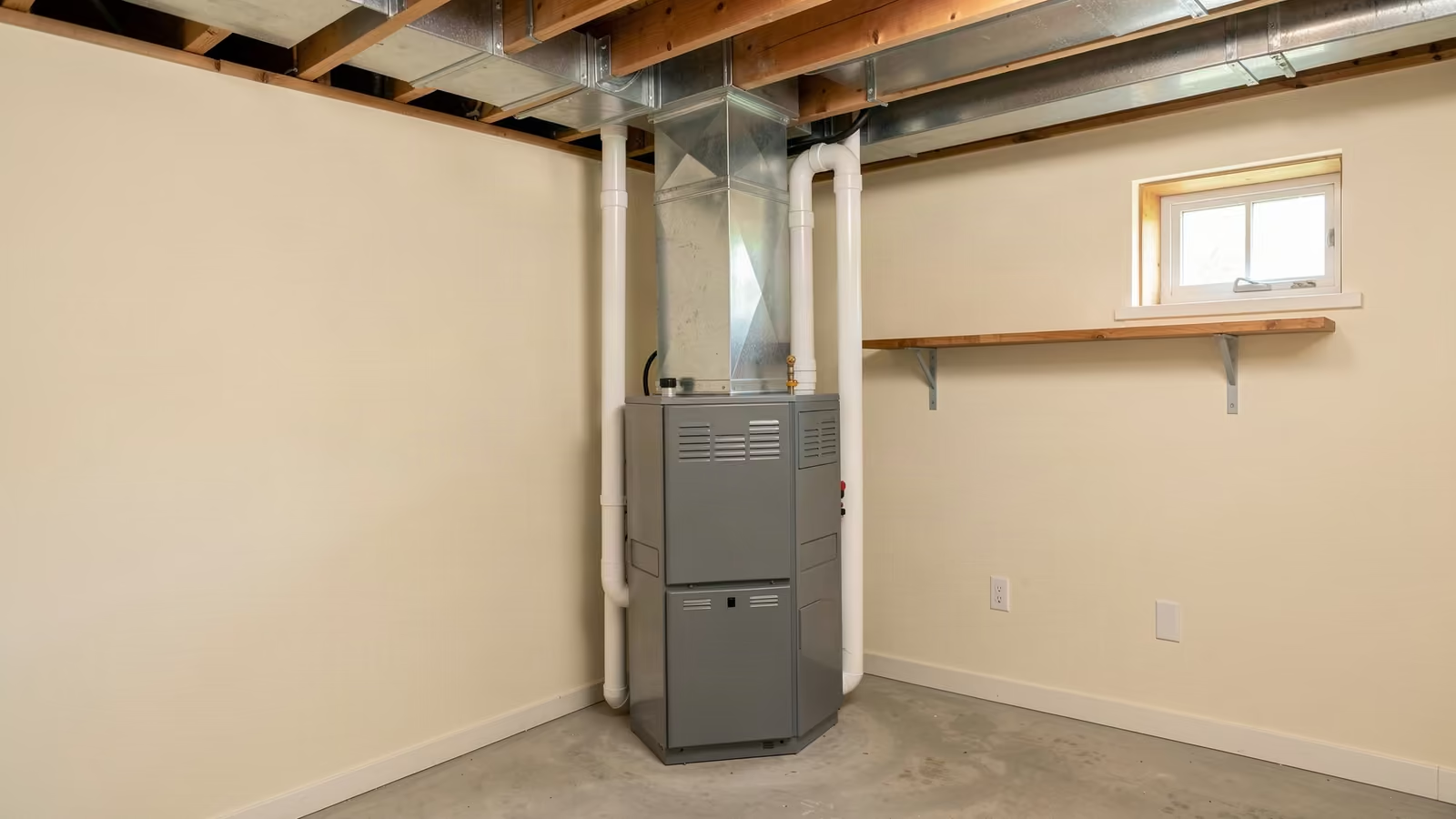
- Furnaces: about 15 to 30 years.1
- Boilers: about 15 to 30 years.1
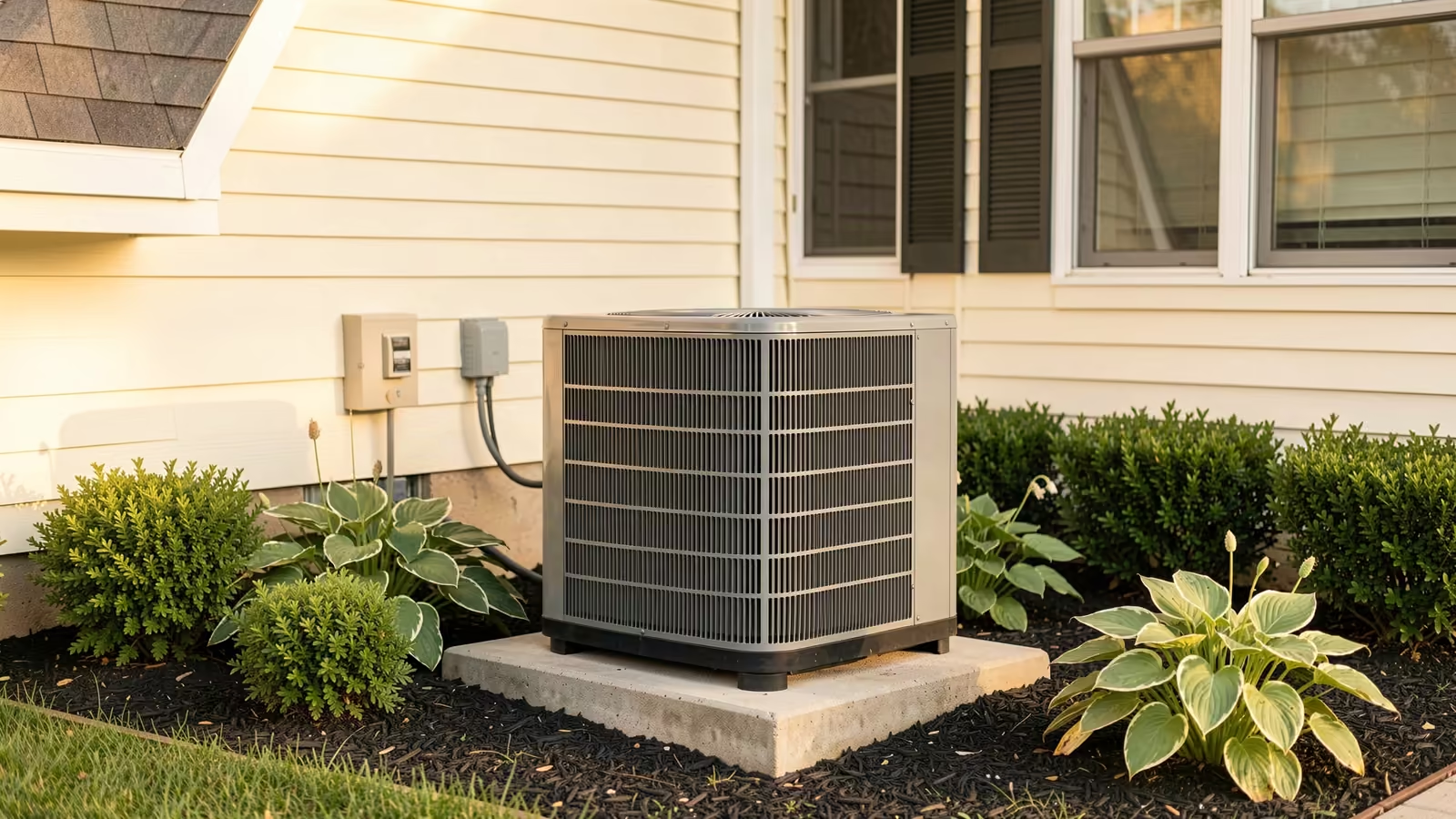
- Central air conditioners: about 15 to 20 years.2
- Heat pumps: about 15 years in the Energy Department's infographic. A 2024 article in Cityscape, HUD's research journal, puts the average at 15 to 20 years.13
- Ductless mini-splits: about 12 to 15 years.2
- Window and portable air conditioners: about 10 to 15 years.2
Those are wide ranges, and that makes sense. Two furnaces of the same age can be in very different shape depending on how they were installed and how hard they work.
What makes a system last longer or wear out sooner
A HUD inspection guide notes that many things affect how long a home's components last, including their quality, how well they were installed, how they've been maintained, the weather and climate, and how hard they're used.4
- Regular maintenance. The Energy Department says a regular maintenance schedule helps prolong the life of the equipment.5
- Clean filters. Energy Star says a dirty filter can raise energy costs and damage equipment, leading to early failure. It suggests inspecting, cleaning, or changing the filter once a month.6
- Climate and use. Weather and how hard a system is used are both on the HUD list. A system that runs through a hot summer or a long winter simply puts in more hours.4
When age is worth a closer look
Energy Star lists age among the signs that it may be time to call a professional contractor about replacing equipment: a heat pump or air conditioner more than 10 years old, or a furnace or boiler more than 15 years old.7
That isn't a verdict. As the ranges above show, many systems can keep working past those ages. It's a sensible point to get an honest opinion and start planning, so a replacement happens on your schedule, not in a hurry.
Age is only one sign. Energy Star also lists frequent repairs with rising energy bills, rooms that stay too hot or too cold, and a noisy system.7 Our guide to signs your heating or AC needs attention covers those in more detail.
Plan for the repairs insurance skips.
Homeowners insurance usually doesn't pay when things wear out. A home warranty is a service contract for those repairs. Plans differ in what they cover, their limits, and their service fees, so read the contract before you buy.
 Compare warranty plans
If you're not sure how old yours is
That's common, especially when the system came with the house. A few places to look:
- The label on the unit. Furnaces, air handlers, and outdoor units usually carry a label with the model and serial number. The manufacture date is sometimes printed there, and sometimes built into the serial number.
- The home inspection report, if you had one when you bought the house.
- Service stickers on the equipment, or receipts from past tune-ups.
- A technician at your next check-up, who can usually tell you.
Planning for a replacement
What standard homeowners insurance leaves out
A standard homeowners policy won't pay for damage caused by routine wear and tear, according to the Insurance Information Institute.8 A furnace or air conditioner that simply wears out with age generally falls on that side of the line. Policies differ, so it's worth reading yours.
A few steps make a replacement easier when it does come:
- Keep up with yearly check-ups. Energy Star recommends a pre-season check-up each year: the cooling system in the spring and the heating system in the fall.6
- Get written, itemized estimates. Energy Star suggests comparing cost, energy efficiency, and warranties, and calling the customer references contractors give you.9
- Ask about sizing. A bigger system isn't always better. Energy Star says a contractor should size it based on your house, its insulation, and its windows.9
- Read the fine print on any coverage. If you're weighing a home warranty, look at what the contract covers and what it leaves out. Our guide to what a home warranty covers walks through it.
None of this has to happen today. Knowing roughly how old your system is, and keeping up with check-ups, puts you in a good position to decide when the time comes.
Sources
- U.S. Department of Energy. Energy Saver 101: Everything You Need to Know About Home Heating (opens in a new tab). Accessed .
- U.S. Department of Energy. Energy Saver 101: Everything You Need to Know About Home Cooling (opens in a new tab). Accessed .
- U.S. Department of Housing and Urban Development (Cityscape). Heat Pumps: An Attractive Choice for Heating and Cooling Needs (opens in a new tab). Accessed .
- U.S. Department of Housing and Urban Development. Residential Rehabilitation Inspection Guide (opens in a new tab). Accessed .
- U.S. Department of Energy. Consumer Guide to Home Heating and Cooling (opens in a new tab). Accessed .
- ENERGY STAR (U.S. EPA). Maintenance Checklist (opens in a new tab). Accessed .
- ENERGY STAR (U.S. EPA). When is it time to replace? (opens in a new tab) Accessed .
- Insurance Information Institute. What is covered by standard homeowners insurance? (opens in a new tab) Accessed .
- ENERGY STAR (U.S. EPA). 10 Tips for Hiring a Heating and Cooling Contractor (opens in a new tab). Accessed .