Home warranty or homeowners insurance: what each one covers
Updated 3 min read
Homeowners Quiz is free because partners pay us. How partners work.
Key points
- Homeowners insurance is built for unexpected damage, like a fire or a burglary.
- A home warranty is a service contract for repairs to systems and appliances.
- They cover different things, so one doesn't replace the other.
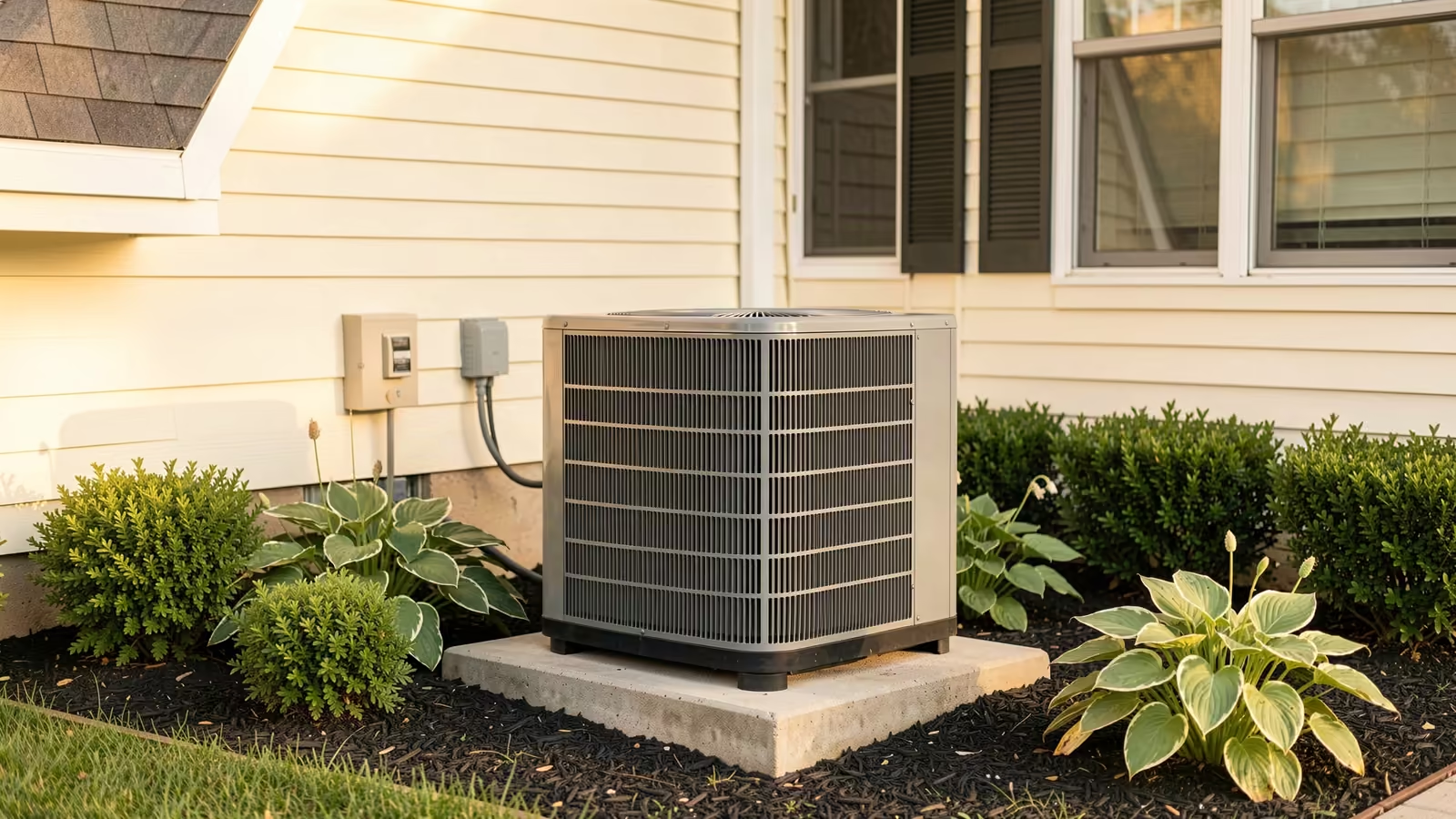
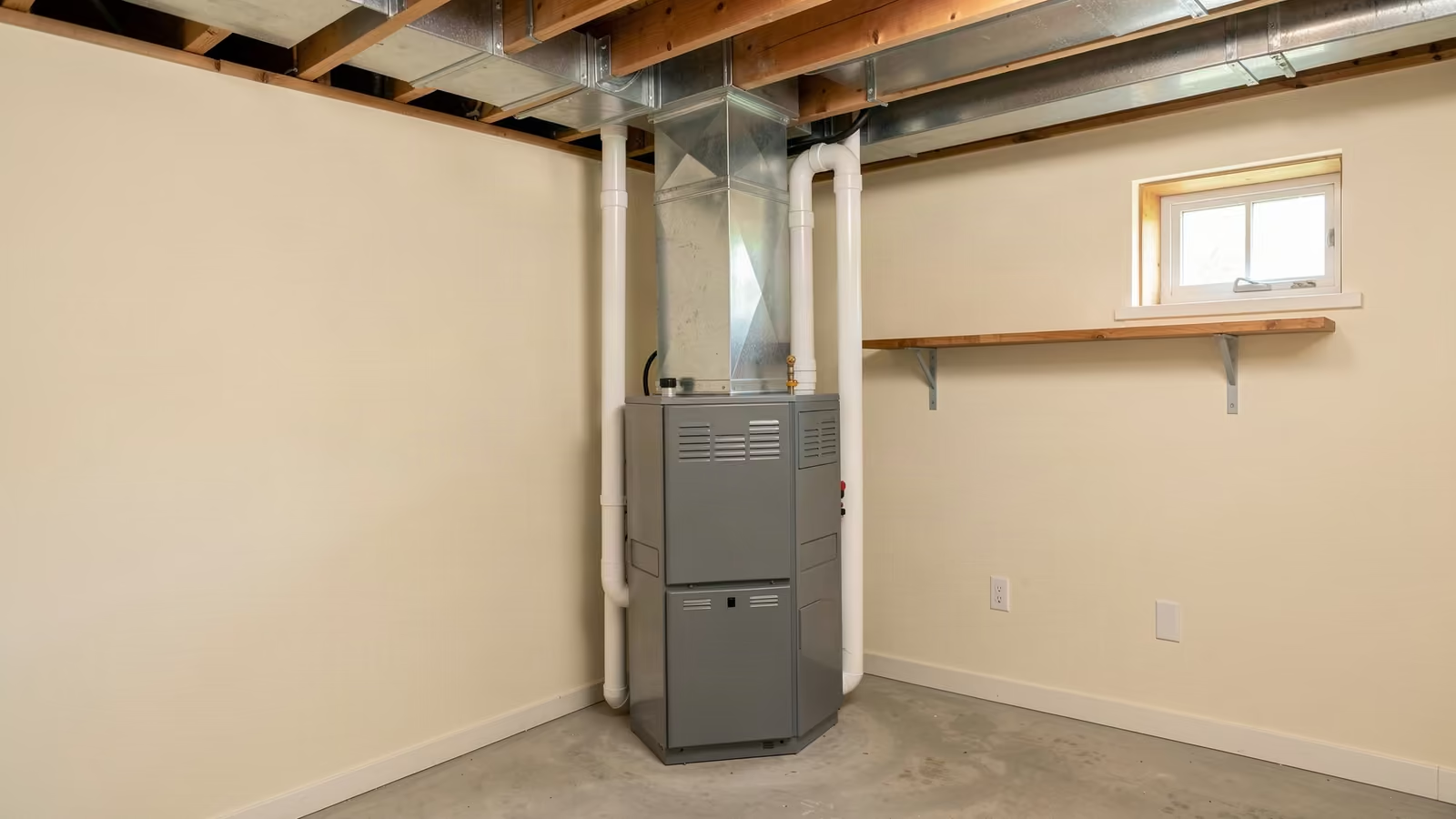
Most homeowners insurance doesn't pay when a furnace wears out. That isn't an oversight. Insurance is built for events like a fire or a theft, not for things that wear out with age. A home warranty is a separate product sold for that second kind of problem.3 Here's what each one does, where they differ, and how they can fit together.
What homeowners insurance covers
Homeowners insurance pays for losses and damage to your property when something unexpected happens, like a fire or a burglary, according to the Consumer Financial Protection Bureau. If you have a mortgage, your lender generally requires proof that you have it.1
The Insurance Information Institute says most standard policies include four main parts:2
- The structure of your home
- Your personal belongings
- Liability protection
- Additional living expenses, if you have to live somewhere else while your home is repaired
A standard policy won't pay for damage from a flood, an earthquake, or routine wear and tear.2 It may be possible to add coverage for floods and earthquakes.1
What a home warranty covers
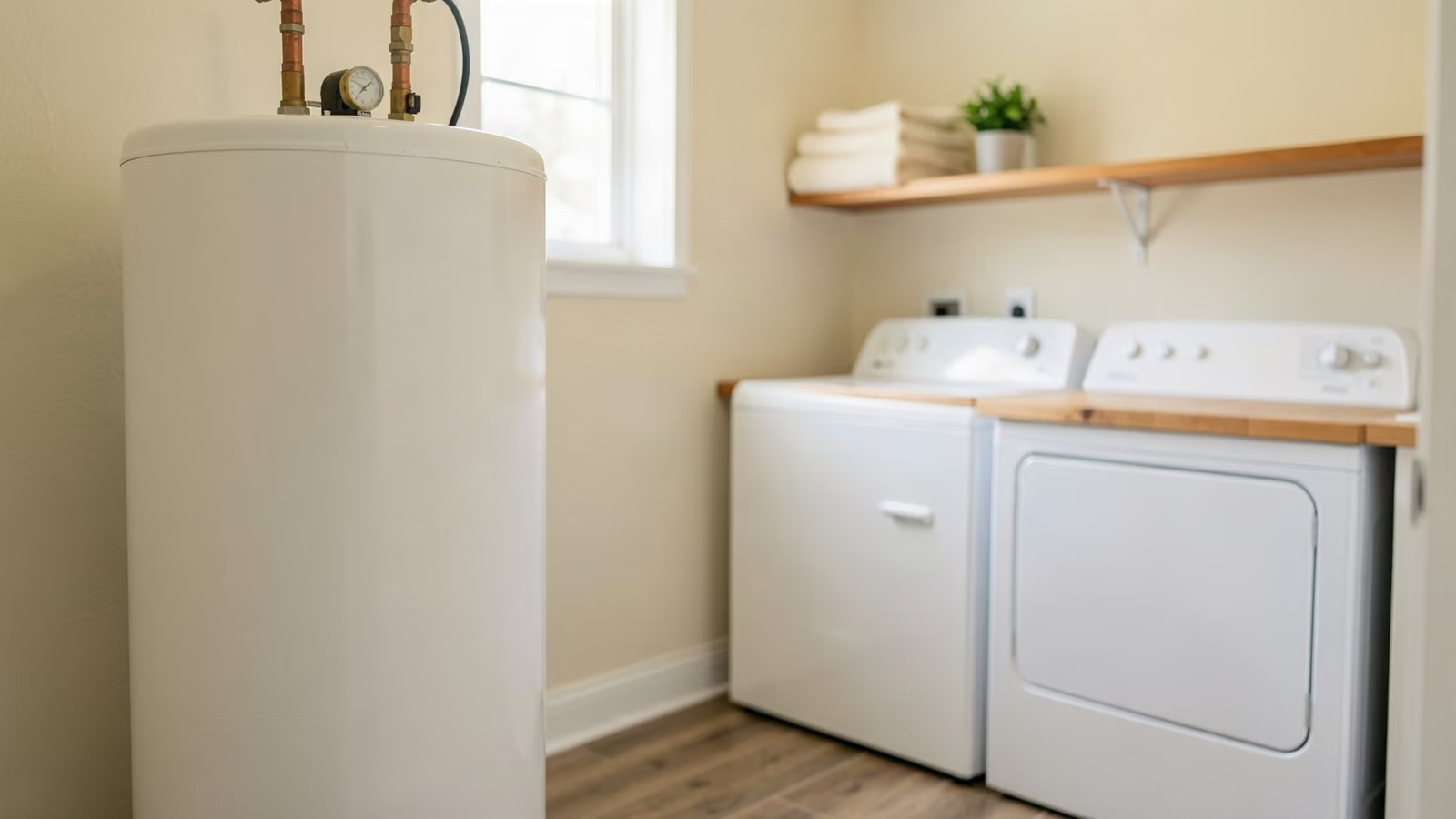
A home warranty is a contract in which a company promises to repair or replace parts of your home's systems and certain appliances, like washers, dryers, ovens, and refrigerators. California's Department of Insurance says these contracts cover wear and tear, deterioration, or defects that existed when you bought your home. Some items, like garbage disposals or ceiling fans, may be covered only in some plans or for an added fee.4
Home warranties aren't insurance policies. They're service contracts, and they're often sold as a one-year agreement.5 The Federal Trade Commission notes that a service contract costs extra and is sold separately. It's different from the warranty that may come with a product when you buy it.6
Not a replacement
California's Department of Insurance puts it plainly: home warranties don't overlap with or replace a homeowners insurance policy.4
The difference, side by side
- What it's for. Insurance pays for damage when something unexpected happens, like a fire or a burglary.1 A warranty covers certain items when they break down from normal wear and tear.3
- Who requires it. Mortgage lenders generally require insurance.1 A home warranty is optional. Texas regulators, for example, note that you aren't required to buy one when you buy a home.8
- How you use it. With insurance, you file a claim for the damage. With a warranty, you ask for service. The company often picks the contractor, and some charge a service fee each time you need a repair.5
- What's left out. A standard insurance policy leaves out routine wear and tear.2 Warranties have their own exclusions and dollar limits, and the contracts are not standardized.4
How they fit together
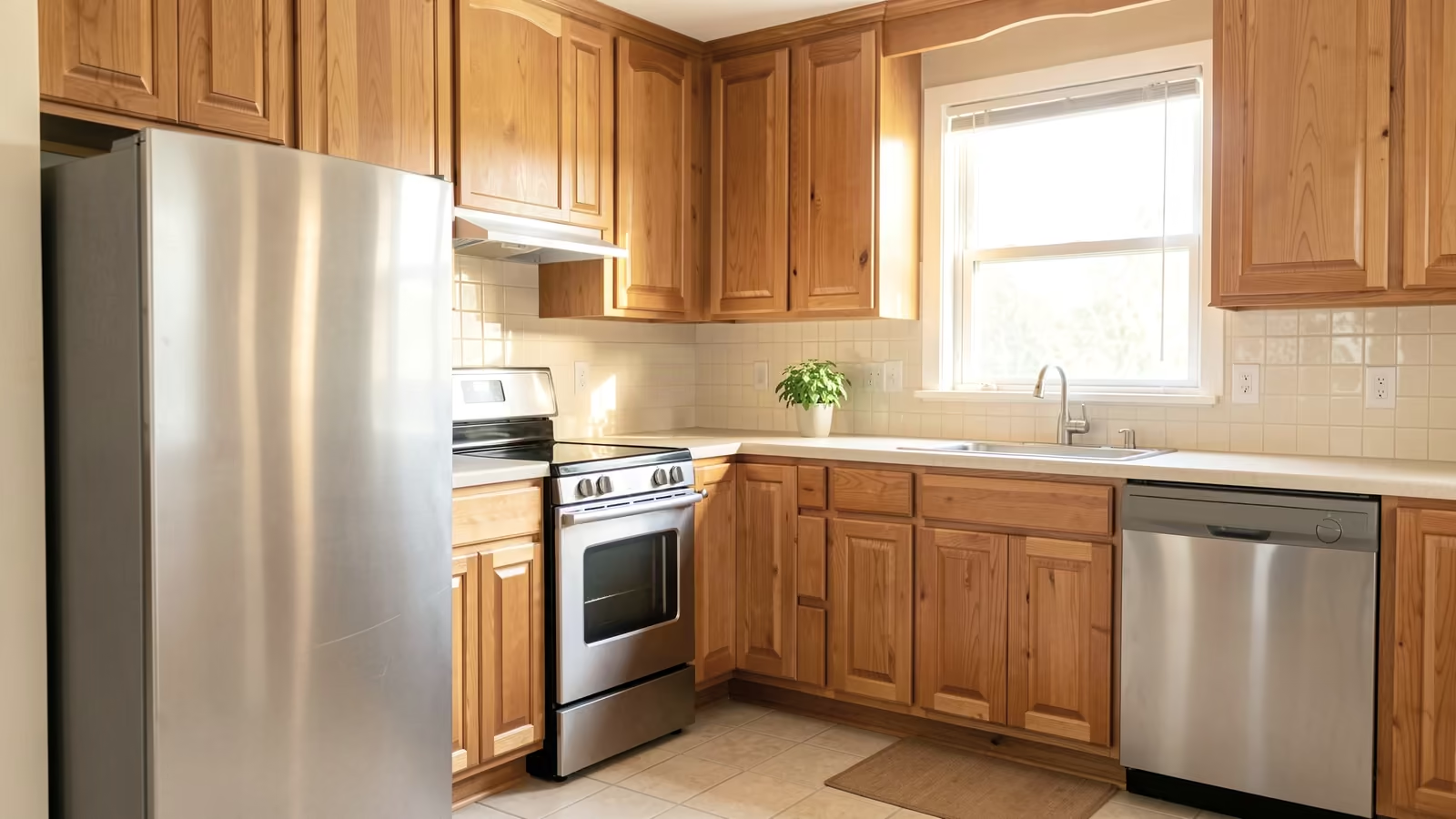
Picture two things going wrong in the same kitchen. First, a fire damages the cabinets and the range. That's the kind of unexpected loss homeowners insurance is built for.1 Later, the refrigerator stops cooling because a part wore out. A standard policy generally won't pay for that.2 A home warranty might, if the refrigerator and that part are covered in the contract.
Some people keep both. Others skip the warranty and set money aside for repairs instead, which the FTC mentions as another way to plan ahead.7 Either way, it helps to know how old your big systems are. Our guide on how long heating and AC last is a good place to start.
Plan for the repairs insurance skips.
Homeowners insurance usually doesn't pay when things wear out. A home warranty is a service contract for those repairs. Plans differ in what they cover, their limits, and their service fees, so read the contract before you buy.
 Compare warranty plans
Questions to ask before you buy a warranty
Texas regulators suggest asking these, among others:8
- What specific items does the contract cover?
- Is there a limit to how much the company will pay?
- Is there a fee for service calls?
- Would a pre-existing condition void coverage?
- Who decides which company makes the repairs, and how fast will they be made?
For more on typical coverage, exclusions, and limits, see what a home warranty usually covers. This guide is general information, not insurance or legal advice. Policies and contracts vary, so your agent, your state's insurance department, or the contract itself will have the final word.
Sources
- Consumer Financial Protection Bureau. What is homeowner's insurance? Why is homeowner's insurance required? (opens in a new tab) Accessed .
- Insurance Information Institute. What is covered by standard homeowners insurance? (opens in a new tab) Accessed .
- Texas Department of Insurance. A home warranty is not home insurance (opens in a new tab). Accessed .
- California Department of Insurance. Home Protection Contracts (opens in a new tab). Accessed .
- Office of the Attorney General for the District of Columbia. Consumer Alert: Home Warranties (opens in a new tab). Accessed .
- Federal Trade Commission. Warranties (opens in a new tab). Accessed .
- Federal Trade Commission. Extended Warranties and Service Contracts (opens in a new tab). Accessed .
- Texas Department of Licensing and Regulation. Residential Service Companies (Home Warranties) (opens in a new tab). Accessed .