Signs your heating or AC needs attention
Updated 4 min read
Homeowners Quiz is free because partners pay us. How partners work.
Key points
- Uneven rooms, rising bills, new noises, and frequent repairs are all worth paying attention to.
- A few simple checks, like the filter and the thermostat, can sort out some problems on the spot.
- Federal safety officials recommend a yearly professional inspection of fuel-burning heating equipment, plus carbon monoxide alarms in the home.
Heating and cooling problems tend to build slowly. A room that never quite warms up. A bill that creeps higher. A sound at startup that wasn't there last year. None of these means something is about to fail, but each one is worth a look. Here's what to watch for, what you can check yourself, and when it makes sense to call a professional.
Signs worth a closer look
Energy Star, the EPA's efficiency program, lists these as signs it may be time to call a professional, whether to improve how the system works or to replace it:1
- Frequent repairs and rising energy bills. The equipment may have become less efficient.
- Rooms that are too hot or too cold. The equipment, the ducts, or too little insulation could be the cause.
- Humidity problems. Air that feels too dry in winter or too damp in summer can come from equipment trouble or leaky ducts.
- Extra dust. Leaky ducts can pull dust from attics, crawl spaces, and basements and spread it through the house.
- A noisy system. Noise can point to ductwork that is too small or a problem with the indoor coil.
- Age. Energy Star suggests calling a professional if a heat pump or air conditioner is more than 10 years old, or a furnace or boiler is more than 15.1
When the air conditioner isn't keeping up
The Energy Department's cooling guide lists these common causes when an air conditioner isn't cooling well:2
- A dirty filter, which restricts airflow and makes it harder for the unit to cool.
- A thermostat that is set wrong or reading the wrong temperature.
- A clogged drain.
- Low or leaking refrigerant, which needs a trained technician to repair the leak and recharge the system.
If the system won't turn on at all, start with the thermostat. The same guide notes it may just need new batteries. Worn electrical controls are another cause, and that one is a job for a professional.2
Weak airflow from the vents can come from a dirty filter, or from ducts that are leaking, clogged, crushed, or disconnected.23
What you can check yourself
A few checks are simple enough to do on your own:
- The filter. Energy Star suggests inspecting, cleaning, or changing it once a month. A dirty filter can raise energy costs and damage equipment, leading to early failure.5
- The thermostat. Make sure it's set the way you expect. If it runs on batteries, they may need replacing.2
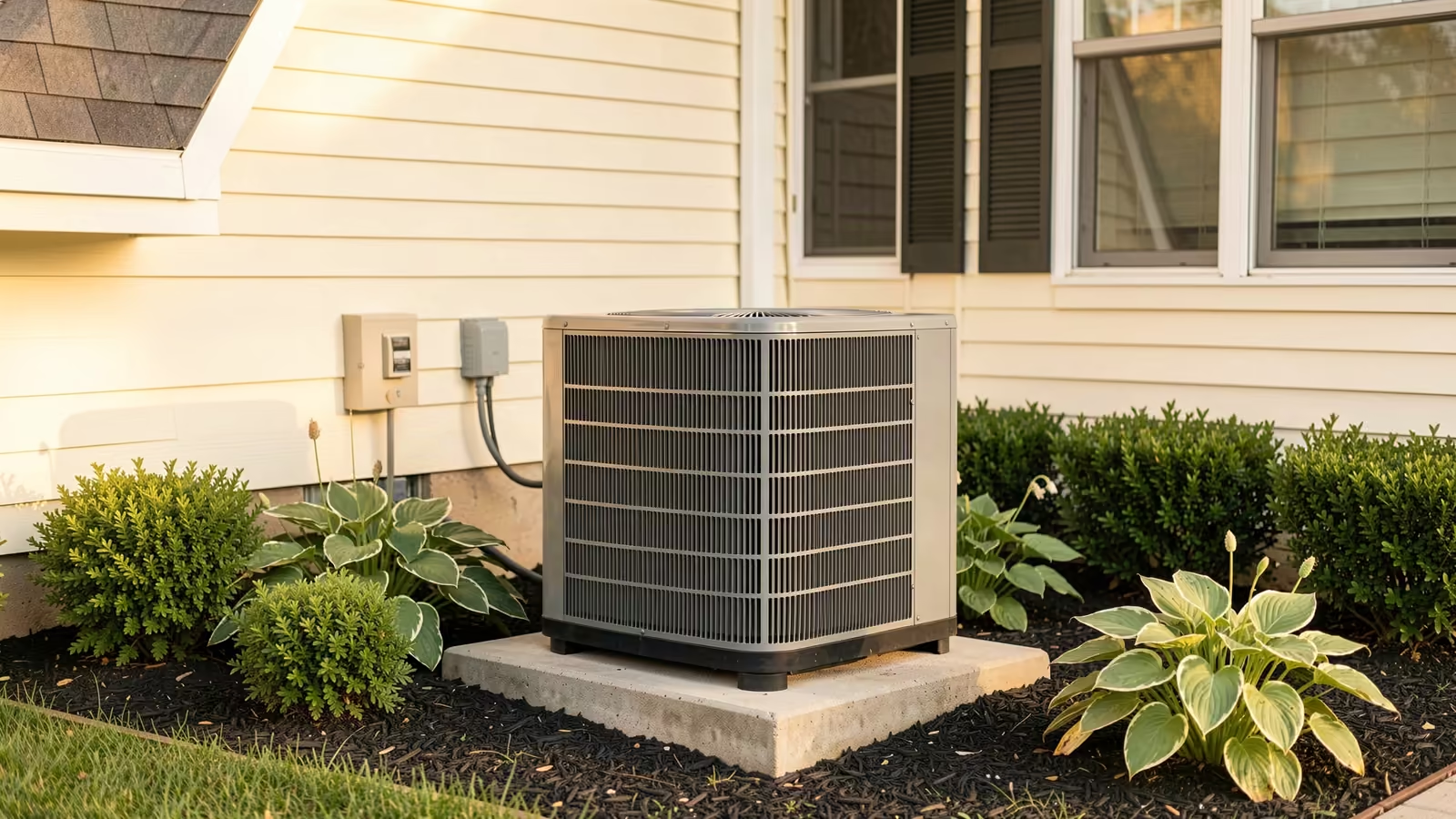
- The outdoor unit. Clear away weeds and debris so air can move freely around it.3
- Vents and radiators. Make sure nothing is blocking air vents, baseboard heaters, or radiators.4
Past that, the Energy Department's cooling guide suggests hiring a certified professional whenever the unit needs more than basic maintenance.2 Energy Star's checklist leaves refrigerant, gas connections, burners, and electrical connections to the contractor.5
Plan for the repairs insurance skips.
Homeowners insurance usually doesn't pay when things wear out. A home warranty is a service contract for those repairs. Plans differ in what they cover, their limits, and their service fees, so read the contract before you buy.
 Compare warranty plans
Why a yearly check-up helps
Energy Star recommends a professional check-up every year before the season starts: the cooling system in the spring and the heating system in the fall. Contractors get busy once summer and winter arrive, so earlier is easier.5
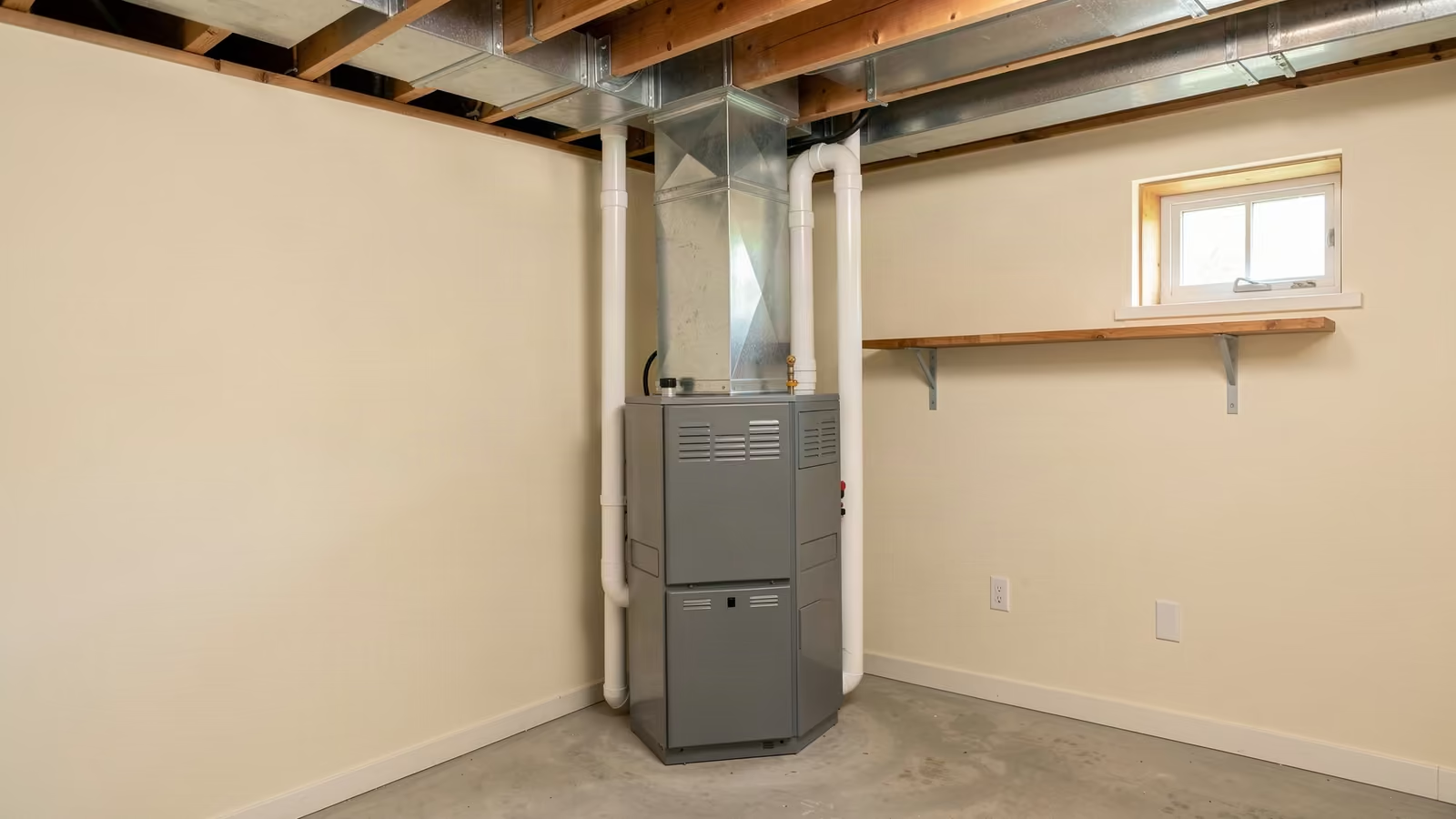
Energy Star says a typical check-up should cover the thermostat settings, electrical connections, moving parts, the condensate drain, and the system controls. On the cooling side, that means cleaning the coils and checking the refrigerant. On the heating side, it means checking the gas or oil connections, the burner, and the heat exchanger.5
A note on carbon monoxide
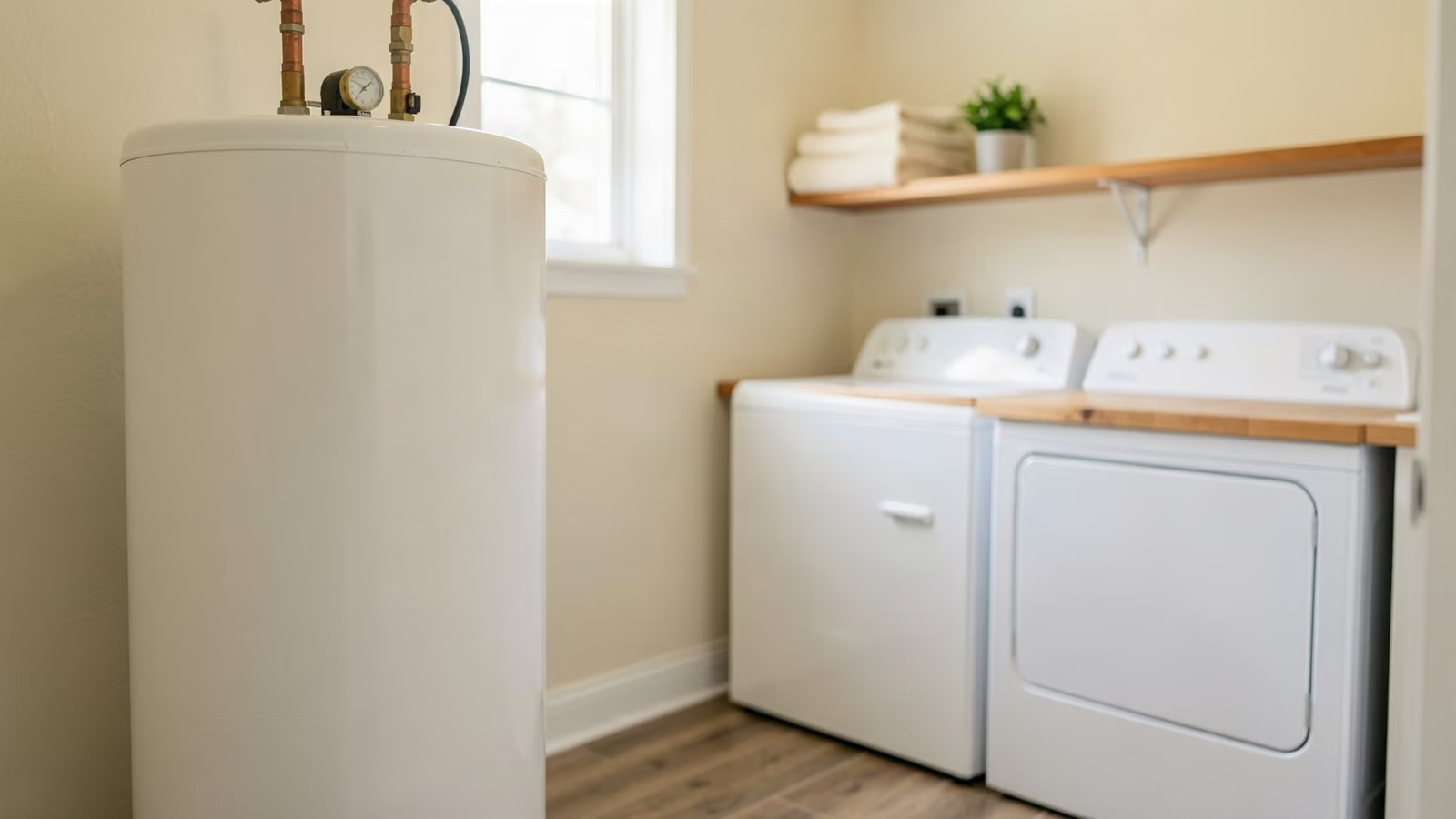
The U.S. Consumer Product Safety Commission recommends a yearly professional inspection of fuel-burning heating equipment, including furnaces, boilers, water heaters, chimneys, flues, and vents.6 It also recommends carbon monoxide alarms, battery powered or with a battery backup, on every level of the home and outside sleeping areas. If an alarm sounds, move outside to fresh air right away and call emergency services.7
Planning for repairs
When a system is getting older, it helps to know how a repair or replacement would be paid for. A standard homeowners policy won't pay for damage caused by routine wear and tear, according to the Insurance Information Institute.8 Our guides on how long heating and AC systems last and home warranties and homeowners insurance cover what to expect.
Sources
- ENERGY STAR (U.S. EPA). When is it time to replace? (opens in a new tab) Accessed .
- U.S. Department of Energy. Energy Saver 101: Everything You Need to Know About Home Cooling (opens in a new tab). Accessed .
- U.S. Department of Energy. Consumer Guide to Home Heating and Cooling (opens in a new tab). Accessed .
- U.S. Department of Energy. Energy Saver 101: Everything You Need to Know About Home Heating (opens in a new tab). Accessed .
- ENERGY STAR (U.S. EPA). Maintenance Checklist (opens in a new tab). Accessed .
- U.S. Consumer Product Safety Commission. Home Heating Equipment (opens in a new tab). Accessed .
- U.S. Consumer Product Safety Commission. Carbon Monoxide Fact Sheet (opens in a new tab). Accessed .
- Insurance Information Institute. What is covered by standard homeowners insurance? (opens in a new tab) Accessed .